Moving from California to Austin: What You Actually Need to Know Before Buying

Moving from California to Austin: What You Actually Need to Know Before Buying
Every California buyer I work with arrives with the same three assumptions — Austin is cheap, the no-income-tax math is simple, and the heat is just like a warm summer back home. And every single one of those assumptions needs a serious update before they make a buying decision. I spent 17 years in IT and QA before real estate, and my instinct is always the same: find every assumption in the system and test it before it breaks something. This guide is that process, applied to one of the most common moves in the country right now.

Bug #1: "Austin Is Cheap"
Relative to San Francisco, San Jose, or Los Angeles — yes, Austin looks dramatically cheaper at the sticker price. The Bay Area median home value hit approximately $1.17 million in 2025. San Francisco County alone averaged closer to $1.7 million. Santa Clara County sat at $1.57 million. Against those numbers, Austin's current median sale price of around $530,000 looks like a bargain and a half.
But here is where the QA mindset matters: the sticker price is not the cost of the system. It is one input. The cost of ownership in Austin is higher than the purchase price suggests — not because Austin is expensive, but because Texas funds nearly everything through property taxes and the insurance market here is among the most punishing in the country. A California buyer who budgets based on the mortgage payment alone, without adjusting for the Texas tax and insurance structure, will close on a home and spend the first six months confused about where the money is going.
The reverse sticker shock is real. You will see a $700,000 home in Cedar Park and think it is a deal. It may well be — but the true monthly cost of that home is likely $1,800 to $2,400 higher than the mortgage calculator shows, depending on the specific tax area, insurance profile, and whether there is a MUD overlay. See the full breakdown of what homeownership actually costs in Austin before you start touring homes.
What $700K Actually Buys: Austin vs. the Bay Area
This is where the comparison gets genuinely interesting. At $700,000 in the Bay Area, you are competing for small condos in Oakland, fixer-uppers in San Jose, and entry-level 2-bedroom houses in Fremont with multiple offers, no contingencies, and a strong possibility of being outbid anyway. The Bay Area median price per square foot in 2025 ran $900–$1,100+ in most desirable neighborhoods. Seven hundred thousand dollars buys you roughly 650–800 square feet in San Francisco proper, and a small house — often with deferred maintenance — in many surrounding suburbs.
At $700,000 in the Austin metro in 2026, here is what the market actually delivers:
- Cedar Park or Round Rock: 2,500–3,200 sq ft, 4 bedrooms, 3 bathrooms, 2-car garage, often in a master-planned community with a pool, walking trails, and top-rated Leander ISD or Round Rock ISD schools. New construction is available at this price point from established builders.
- Georgetown: 2,800–3,500 sq ft, established neighborhood, often with a larger lot than comparable new builds, and Georgetown's historic downtown a short drive away.
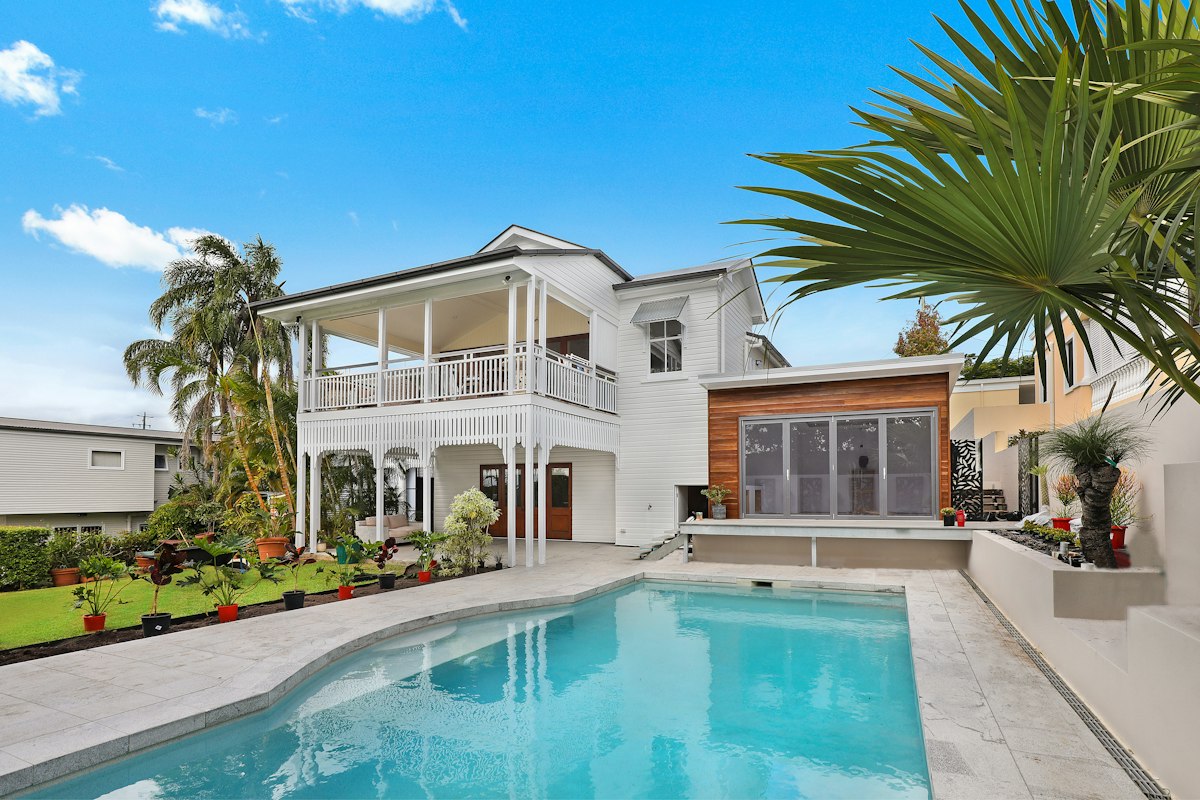
- Leander: 3,000–3,800 sq ft new construction, 4–5 bedrooms, dedicated home office, open-concept main floor, and a backyard — a real one, not a 6-foot concrete strip.
- Austin city limits (Northwest/Southwest corridors): 2,000–2,600 sq ft resale in an established neighborhood with mature trees, shorter commute to major employers, and a lot that actually fits outdoor furniture.
The space comparison is jarring for most California buyers. Going from 1,100 sq ft in San Jose to 3,200 sq ft in Cedar Park at a lower monthly payment (before you run the full cost model) is a real, tangible life upgrade. The homes are larger, the lots are larger, and the neighborhoods feel — physically — like more room to breathe. That part of the reputation is earned.
Bug #2: The No-Income-Tax Math Is Not as Simple as It Looks
California's state income tax tops out at 13.3% — the highest in the nation — and even moderate earners at $150,000 household income pay an effective state rate of roughly 6–9%, depending on filing status and deductions. That works out to $9,000–$13,500 per year that simply does not exist as a line item in Texas. On day one of Texas residency, that money stays in your account. For a household earning $200,000, the income tax savings from moving to Texas can exceed $15,000 per year. That is real money, not a talking point.
Here is where the QA check comes in: Texas recoups a meaningful portion of that savings through property taxes. California's effective property tax rate averages approximately 0.74%, held artificially low by Proposition 13 — which caps annual assessment increases at 2% per year for existing owners. Texas has no equivalent cap (the 10% annual homestead cap applies, but the base rate is much higher). Texas property taxes average 1.6–2.2% of assessed value depending on the city and school district, with no long-term Prop 13-style compression.
Here is what that means in numbers on a $700,000 home:
- California property tax on $700K home: ~0.74% = approximately $5,180/year ($432/month)
- Texas property tax on $700K home (Leander, ~2.16%): approximately $15,120/year before exemptions ($1,260/month) — dropping to roughly $11,900/year after homestead exemption (~$992/month)
- Texas property tax on $700K home (Round Rock, ~1.68%): approximately $11,760/year before exemptions ($980/month) — dropping to roughly $9,600/year after homestead exemption (~$800/month)
The income tax savings at $150,000 household income is roughly $9,000–$13,500/year. The additional property tax cost in Texas versus California on a $700K home runs $4,400–$9,900/year depending on the city. The net tax benefit of moving from California to Texas is real — for most middle-to-upper-income earners it still comes out positive — but it is not the full paycheck bonus that the headline number implies. Run your specific numbers with your actual income and target purchase price before making a decision based on the tax math alone.
Bug #3: Homeowners Insurance Is Genuinely Expensive Here
California buyers are used to relatively manageable insurance costs — the state's regulations cap rate increases in ways Texas does not permit, and despite wildfire risk in certain corridors, the statewide average premium runs considerably lower than Texas. In Texas, the average homeowners insurance premium hit approximately $4,100 per year statewide in 2025 according to the Insurance Information Institute. Texas ranked in the top five most expensive states in the nation for home insurance. NerdWallet put the Texas average at approximately $4,915 per year in 2026. For higher-value homes in the Austin metro, expect $4,500–$7,000/year depending on home value, roof age, and proximity to flood zones.
Two things California buyers almost never anticipate. First, most Texas policies carry a separate wind-and-hail deductible of 1–2% of dwelling coverage — meaning on a $600,000 insured home, you could owe $6,000–$12,000 out of pocket before insurance pays anything on a hail claim. Hail is not a theoretical risk here. Texas recorded nearly $5 billion in hail-related insured losses in 2024 alone. Second, flood damage is excluded from standard policies — it requires a separate NFIP or private policy. The Hill Country and many creek corridors around Austin carry real flash flood risk, and standard HO-3 coverage leaves you entirely exposed without a separate flood policy.

HOA Culture: Different From What You're Used To
Austin's HOA culture is different from California's in ways that matter for daily life. In California, HOAs are most common in condos and high-density communities — single-family neighborhoods often have none. In the Austin metro, the large majority of master-planned single-family communities built after 2000 carry HOAs. If you are targeting new construction in Cedar Park, Leander, Georgetown, Round Rock, or Pflugerville — which is where most of the inventory that California buyers gravitate toward actually lives — you will almost certainly be buying into an HOA.
The monthly fees themselves are not the primary issue. Most suburban Austin HOAs run $50–$175/month, which is lower than California coastal HOAs for comparable amenity levels. What catches buyers off guard is the enforcement culture. Texas HOA boards tend to be assertive about deed restrictions around lawn maintenance, exterior paint colors, driveway usage, and what can be parked in front of the home. Coming from a California neighborhood where a neighbor's peeling paint was simply their business, finding an HOA violation notice in your mailbox within 60 days of closing can be disorienting. Read the CC&Rs before you make an offer, not after you close.
The second thing to audit is the HOA's financial health. Request the reserve study and the last two years of financials before closing. A well-funded HOA protects your investment. An underfunded one is a future special assessment waiting to happen — and Texas HOAs are legally permitted to foreclose on a home for unpaid assessments. That is not a hypothetical; it happens. Ask me to pull the HOA financials on any property you are serious about — it takes 20 minutes and has saved buyers from some very expensive surprises.
The Heat Is a Real Variable, Not Flavor Text
Southern California buyers think they understand heat. They do not understand Austin heat. The Bay Area, including most of Silicon Valley, has a genuinely mild climate where 90°F is a heat wave. Austin averages more than 100 days per year above 90°F, regularly sees stretches of two to three weeks above 100°F in July and August, and the humidity is meaningfully higher than any California climate outside the Central Valley. This is not a complaint — plenty of people love Austin's summers. But it has practical implications for how you buy a home.
HVAC is not optional or background infrastructure here. It is the central system that determines whether your home is livable for four months of the year. When evaluating any resale home, the age and condition of the HVAC system should be weighted as heavily as the kitchen and bathrooms. An HVAC replacement in Austin runs $8,000–$15,000 depending on the system and home size. Budget for it explicitly if you are buying a home with a unit older than 10–12 years. New construction typically includes modern, energy-efficient systems that handle the climate well — but they are sized and specified for Texas summers, not California ones, which means if you move here in March and tour homes without running the AC, you may not realize how the home performs under load until July.
The heat also affects your utility budget directly. August electric bills of $350–$500/month on a 2,500 sq ft home are normal, not extreme. If you are currently paying $80/month for electricity in the Bay Area, plan for that number to be meaningfully different here. New construction with proper insulation and a high-SEER HVAC unit will sit toward the lower end. Older construction with inadequate insulation will sit at the top. Ask for the seller's utility bills for the previous 12 months — any agent worth working with should be able to get you that data.

The Things California Buyers Get Right
I want to be clear: most California buyers are making a genuinely good decision. The math works for the majority of middle and upper-middle income households, particularly those who can work remotely or who are moving for a job at one of Austin's major employers — Apple, Tesla, Amazon, Dell, Samsung, Google, or the dozens of tech companies that have expanded here over the last five years. The purchasing power difference between what $700,000 buys in San Jose versus Cedar Park is real and substantial. The income tax savings are real, even after accounting for higher property taxes. The space, the lifestyle, the commute times — all real improvements for most people making this move.
What separates the buyers who are glad they moved from the ones who have regrets is not whether they moved — it is whether they understood the full cost picture before they made a decision. The buyers who arrive thinking Austin is just California with cheaper houses and no income tax spend their first year adjusting to a series of surprises. The buyers who do the math first — including property taxes by specific city and school district, insurance costs for the home profile they are targeting, HOA financial health, and HVAC condition on resale homes — settle in with far less friction and far more financial margin.
Austin is genuinely a compelling market for California buyers. The goal of everything in this guide is to make sure your decision is based on the real numbers — not the headline numbers. Check the current market snapshot to see where inventory and pricing stand right now across the major Austin suburbs.
A Quick Checklist Before You Make an Offer
- Run the full six-line monthly cost model — not just the mortgage payment — for the specific city and price point you are targeting. Property taxes vary by $300–$400/month between the most and least expensive major suburbs at a $700K price point.
- Confirm the school district — Cedar Park and Leander both sit in Leander ISD despite being separate cities. Round Rock and Georgetown have their own ISDs. The ISD determines a significant portion of your tax rate.
- Check for MUD overlay — many newer master-planned communities in Leander, Cedar Park, and Georgetown sit within Municipal Utility Districts that add $0.40–$0.80 per $100 of assessed value on top of standard rates. Ask specifically before you go under contract.
- Request HOA financials — reserve study and two years of income/expense statements. A well-funded HOA is an asset. An underfunded one is a liability you inherit at closing.
- Get the seller's utility bills — 12 months, all months. August is the test. If the seller won't provide them, that tells you something.
- Inspect the HVAC specifically — age, service history, refrigerant type. If it is R-22 or over 12 years old, price in a replacement when you make your offer.
- File your homestead exemption the year you close — it saves $140,000 of school district taxable value and does not happen automatically.
Next Steps
If you are relocating from California and want to understand what your specific income, target price range, and preferred suburbs actually look like in terms of total monthly cost and net tax position, that is exactly the kind of analysis I build for every buyer before we start looking at homes. The goal is to get the real numbers on the table first — so every showing is in homes that genuinely fit your budget, not homes that look right in the listing and surprise you later.
- Check the Austin Metro Market Snapshot — current inventory, days on market, and price trends updated regularly.
- Browse all current listings filtered to the price range your real monthly budget supports.
- Talk to Vlad directly — I will build the full cost model for your specific situation before you write an offer on anything.
Categories
Recent Posts